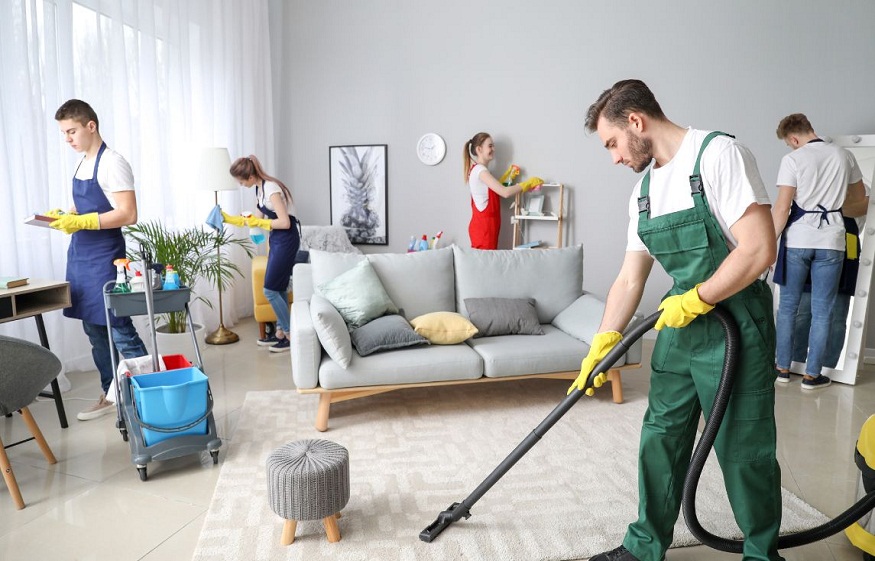

Keeping your furniture fresh isn’t just about maintaining a pretty living room—it’s about creating a healthier, more comfortable space where you can relax without worrying about dust, odours, or hidden allergens. Happy Clean Dublin, a trusted name in the cleaning scene, shares practical upholstery cleaning tips that anyone can follow, whether you’re dealing with a busy household, pets, or simply everyday wear. Upholstery tends to collect dirt more quietly than floors or countertops, which makes routine maintenance even more important. When you give your sofas, chairs, and cushions a little attention, they last longer, look better, and actually feel cleaner to sit on.
Tips from Happy Clean Dublin for Upholstery Maintenance
Keeping your upholstery in great shape doesn’t have to feel like a full-time job. With the right habits, you can prevent stains, reduce odours, and keep your furniture looking bright and fresh for years. Happy Clean Dublin’s expert tips focus on simple routines that make a big difference over time. Most homeowners don’t realise how quickly dirt settles into fabrics—even when the surface looks clean. By staying consistent with cleaning and paying attention to how you treat your furniture day-to-day, you protect the fibres from damage and keep them feeling comfy and soft. These six tips bring together the best practices used by professionals so you can take better care of your sofas, armchairs, and cushions without complicated tools or fancy products. Whether you’re dealing with spills, pets, or heavy daily use, these maintenance habits help extend the life of your upholstery and make cleaning less stressful in the long run.
Upholstery Cleaning Tip 1 – Vacuum regularly using the right attachment
Regular vacuuming is one of the easiest and most effective ways to keep upholstery clean. Dust and tiny crumbs fall deep into the fibres, and once they settle, they quietly scrape and weaken the material. Using the right vacuum attachment—like a soft brush or upholstery nozzle—helps lift dirt from both the surface and the deeper layers without pulling at the fabric. It’s best to vacuum at least once a week, especially if you have kids or pets who love hanging out on the couch. Pay extra attention to creases, seams, and under the cushions, because that’s where debris loves to hide. Over time, routine vacuuming reduces allergens, prevents dull patches, and keeps your upholstery feeling fresh. It’s such a small habit, but it truly adds years to your furniture’s lifespan.
Upholstery Cleaning Tip 2 – Act quickly on spills and stains
When a spill happens, every second counts. Liquids soak into fabric fibres extremely fast, and once they settle, stains become much harder to remove. The first rule? Blot—never rub. Rubbing can push the spill deeper and spread the mess. Use a clean cloth or paper towel to gently absorb as much of the liquid as possible, and only then treat the area with a safe cleaning solution. Cold water usually works best for most stains, but for oily spills, you may need a specialised cleaner. Acting fast keeps the stain from bonding with the fabric and helps avoid discolouration. Even if it’s just water, leaving a spill untreated can cause rings or uneven drying marks. Quick action is always your best defence against long-lasting stains.
Upholstery Cleaning Tip 3 – Use fabric-safe cleaning methods & products
Not every upholstery fabric can handle the same type of cleaner. That’s why you should always check the tag before you use anything. Some sofas are water-safe, others need solvent-based solutions, and a few require professional-grade products only. Using the wrong cleaner can leave water marks, fade colours, or even damage the fibres permanently. A gentle, fabric-safe foam or spray is usually a good option for quick touch-ups. If you prefer natural methods, a mix of mild soap and water can work for many fabrics—just avoid soaking the material. When in doubt, always test your cleaner on a hidden spot first. Being careful with your products helps you keep your furniture looking great without accidentally causing more harm than good.
Upholstery Cleaning Tip 4 – Rotate cushions and allow fabrics to breathe
Certain parts of your sofa get used way more than others, and that uneven pressure causes the fabric to wear out faster. Rotating your cushions regularly helps spread out the weight and keeps the upholstery from sagging or getting shiny in high-use areas. It also gives the fabric a chance to breathe, which helps reduce trapped moisture and odors. If your cushions are reversible, flip them too—that way, both sides age evenly. This small habit keeps your furniture looking balanced and helps cushions keep their shape much longer. It’s a simple trick, but it makes your upholstery look newer and feel softer for years.
Upholstery Cleaning Tip 5 – Call in professional deep-cleaning when needed
Even with consistent at-home care, your upholstery will eventually need a deeper clean. Professional cleaners use hot water extraction or steam-based methods to remove dirt that sits far below the surface—stuff your vacuum can’t reach. This kind of deep cleaning can brighten colours, remove odours that have settled into the fabric, and refresh the entire piece. Most homes benefit from a professional upholstery cleaning once or twice a year, depending on usage. If you have pets or allergies, even more frequent cleanings might help. Investing in professional care once in a while keeps your furniture in peak condition and helps prevent long-term damage.
Upholstery Cleaning Tip 6 – Protect upholstery from future wear and tear
Prevention is one of the smartest ways to keep your upholstery looking fresh. Adding washable throws or slipcovers, using fabric-safe protectant sprays, and simply keeping food away from the sofa all help minimise wear and stains. Sunlight can also be harsh on fabrics, so it’s a good idea to position your furniture away from direct sunlight or use curtains to reduce exposure. If you have pets, trimming their nails and giving them a comfy spot of their own can save your upholstery from scratches. These small protective habits add up and help your furniture maintain its colour, texture, and overall appeal for much longer.
Infographic: Quick Upholstery Maintenance Checklist
Keeping upholstery clean doesn’t have to be complicated. Sometimes, a simple visual-style checklist is all you need to stay on top of things. This quick guide breaks down the most important habits into small, easy-to-follow steps you can glance at anytime. These bite-sized reminders help you stay consistent, avoid damage, and catch problems early before they turn into costly issues. Think of it like a cheat sheet you could stick on your fridge—straightforward, practical, and perfect for busy households.
Upholstery Maintenance at a Glance:
- Vacuum Weekly: Use a soft brush attachment to remove crumbs, dust, and pet hair.
- Blot Spills Immediately: Gently absorb liquids without rubbing or scrubbing.
- Test Cleaners First: Try every product on a hidden fabric area before using it.
- Rotate Cushions Regularly: Keep wear even and maintain cushion shape.
- Let Fabrics Air Out: Give your sofa breathing time by removing blankets and pillows occasionally.
- Use Fabric Protectant: Apply a safe spray to guard against stains and build-up.
- Avoid Direct Sunlight: Close curtains or shift furniture to prevent fading.
- Schedule Professional Cleaning: Once or twice a year keeps stubborn dirt under control.
CONCLUSION
Upholstery plays a bigger role in your home’s comfort and atmosphere than most people realise, and taking good care of it doesn’t have to feel overwhelming. With just a few smart habits—like regular vacuuming, quick stain response, and rotating cushions—you can dramatically extend the life and look of your favourite furniture pieces. The expert tips from Happy Clean Dublin make it easier to stay ahead of dirt, odours, and everyday wear without needing expensive tools or complicated routines. And when your upholstery does need a deeper refresh, calling in professionals ensures your fabrics stay safe while getting the kind of deep clean you simply can’t achieve at home.
By combining at-home maintenance with the occasional professional treatment, you create a healthier, fresher living space that feels welcoming every time you sit down. Upholstery care is really just about consistency and knowing what works for your fabrics. When you treat your furniture with a little extra attention, it pays you back with comfort, beauty, and years of reliable use. If you follow these tips, your sofas and chairs will stay looking just as inviting as the day you brought them home.