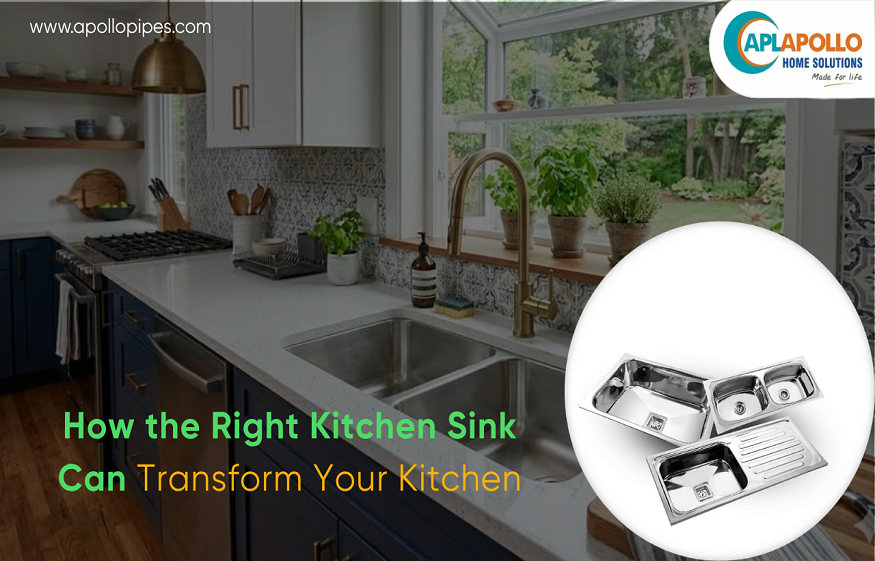

The kitchen sink is one of the most frequently used fixtures in any home. From washing vegetables and cleaning utensils to preparing ingredients and rinsing cookware, it plays an important role in everyday kitchen activities. Yet, it is often selected based only on appearance or available space. The right kitchen sink can do much more than provide a place for washing. It can improve kitchen functionality, support better hygiene, make everyday tasks more convenient, and complement the overall design of the space. Whether you are building a new kitchen or planning a renovation, choosing suitable kitchen sinks can make a noticeable difference to how efficiently the kitchen works.
Why Choosing the Right Kitchen Sink Matters
A well-chosen sink can help create a more organised and practical kitchen workflow. Its size, shape, depth, and configuration influence how easily you can move between food preparation, washing and cleaning areas.
The right sink can also help you use counter space efficiently. A sink that is too large may reduce valuable workspace, while one that is too small may make washing large utensils or cookware inconvenient. Selecting the right dimensions helps maintain a useful balance between washing space and preparation space.
Kitchen hygiene is another important consideration. A sink that is easy to clean and maintain can make it simpler to keep the washing area neat. Materials that can withstand regular exposure to water, food residues and everyday use can also contribute to long-term convenience.
Beyond functionality, the kitchen sink has a visual role. Its design should work with the countertop, cabinets, faucet and other kitchen fittings. A suitable kitchen sink design can therefore bring both practicality and visual consistency to the room.
Factors to Consider When Choosing Kitchen Sinks
Before choosing kitchen sinks, start by assessing the size and layout of your kitchen. Measure the available countertop area and the space intended for installation. This helps ensure that the sink fits properly without interfering with surrounding cabinets, appliances or preparation areas.
Next, consider whether a single-bowl or double-bowl configuration better suits your routine. A single bowl can provide a spacious washing area, while a double bowl can allow different tasks to be handled separately. For example, one bowl can be used for washing while the other is used for rinsing.
Sink dimensions and depth are equally important. A deeper bowl may be useful when washing larger cookware, but the overall height and installation position should remain comfortable for regular use. Your choice should reflect the type of utensils and cookware commonly used in your household.
The kitchen sink material also deserves attention. Stainless steel kitchen sinks are widely considered for their durability, easy cleaning and suitability for regular kitchen use. When comparing materials, consider resistance to everyday wear, maintenance requirements and how well the finish complements your kitchen.
Drainage should not be overlooked. Proper water flow and an appropriately positioned drain help make washing and cleaning more convenient. The sink should also be compatible with the countertop, cabinetry and plumbing arrangement.
Finally, consider appearance. Shape, finish and bowl configuration can influence the overall look of your kitchen. Choosing a design that complements the existing interiors can make the sink feel like an integrated part of the kitchen rather than a separate fixture.
How the Right Sink Improves Everyday Kitchen Tasks
The benefits of choosing the right sink become especially clear during everyday activities. A suitably sized single bowl kitchen sink, for instance, can make it easier to wash vegetables, fruits and large cooking vessels without repeatedly adjusting their position.
A double bowl kitchen sink can support multitasking. While one bowl is being used for washing utensils, the second can be used for rinsing food or keeping cleaned items temporarily. This can be particularly useful in households where several kitchen activities happen at the same time.
Depth also affects convenience. A bowl with appropriate depth can provide useful space for washing larger pots and pans while helping contain splashes during normal use. Similarly, an integrated drainboard can provide a dedicated area where washed utensils, vegetables or cookware can be placed temporarily.
In this way, the right sink can make common kitchen activities more organised and reduce unnecessary movement between different work areas.
Read More: BROWN RECLUSE INVADERS: HOW TO KEEP THEM OUT OF YOUR HOME IN QUINCY
Kitchen Sink Designs for Different Needs
There is no single configuration that works for every kitchen. Single-bowl kitchen sinks are often suitable where simplicity and an uninterrupted washing area are priorities. They can also work well in kitchens with limited counter space.
Double-bowl kitchen sinks offer two separate compartments and can be useful for households that regularly wash, rinse and organise utensils simultaneously. However, they generally require more counter space.
Another practical option is a single-bowl sink with a drainboard. This configuration combines a spacious washing bowl with an adjacent area for draining or placing washed items. It can be particularly useful where separate drying space is limited.
The ideal choice depends on kitchen size, cooking habits, available countertop space and individual requirements. Considering these factors before installation can help you select a sink that remains practical over time.
Why Stainless Steel Is a Popular Choice
Stainless steel is a commonly used material for kitchen sinks because it combines practical performance with a clean, modern appearance. Stainless steel kitchen sinks can handle regular washing and cleaning activities and are generally straightforward to maintain.
Read More: THE BENEFITS OF CHOOSING A QUIET HAND DRYER FOR OFFICE SPACES
Their smooth surface can make routine cleaning more convenient, while their resistance to everyday wear makes stainless steel a practical option for frequently used kitchens. The material also works well with a variety of kitchen styles, from compact contemporary spaces to larger traditional kitchens.
However, the quality, construction and features of a sink still matter. Choosing a kitchen sink should therefore involve more than simply selecting a material. Bowl design, drainage, cleaning convenience, installation compatibility and overall construction should all be considered together.
APL Apollo’s Kitchen Sinks
For homeowners looking for kitchen sinks that combine practical features with different configurations, APL Apollo offers the Classic, Edge and Vintara ranges. According to APL Apollo, its kitchen sinks are designed for urban and rural homes with an emphasis on durability, reliability, value for money and an odour-free experience.
The range uses high-grade stainless steel and incorporates Clean Drain Technology, which is designed to help prevent food waste from clogging sinkholes and edges. Listed features include X drain grooves, rust-free stainless-steel construction, clean drain technology, dual sound absorption, rectangular bowls with non-bleeding edges, easy cleaning, noise-deadening pads and plastic coating for scratch protection. The Classic and Edge ranges include single-bowl, double-bowl and single-bowl-with-drainboard configurations, while the Vintara range includes SS304 and SS202 options with single- and double-bowl designs.